A Name Is a Destiny: How African Naming Ceremonies Are Awakening Americans to the Spiritual Weight of Identity
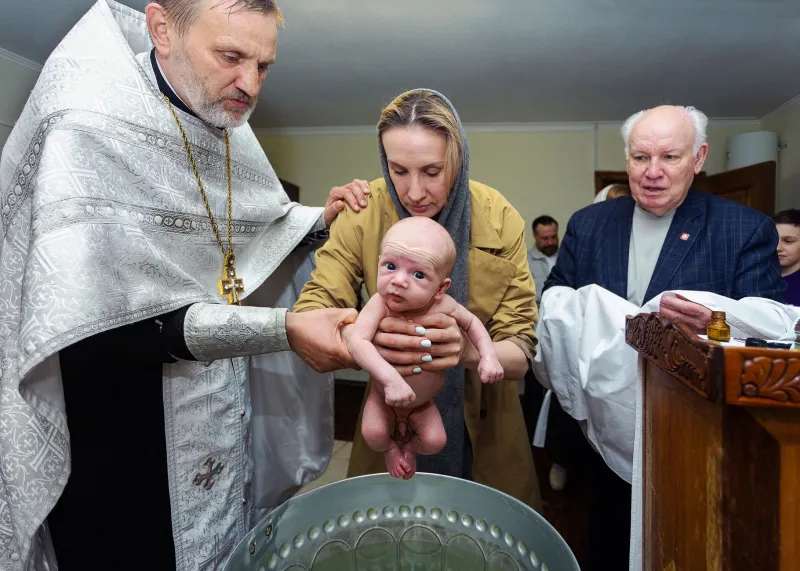
In a hospital room in Atlanta, a mother and father spent three days after their daughter's birth in quiet deliberation — not over syllables or initials, but over meaning. They had spent months studying Yoruba naming traditions, consulting with a cultural elder, and reflecting on what spiritual inheritance they wished to pass to their child. When they finally spoke her name aloud for the first time in a small gathering of family members, they poured libation, offered prayers, and wept. The name they chose, they said, was not theirs to give. It had been waiting for her.
This family is not alone. Across the United States, a growing number of parents — African American, African-born, and from entirely different cultural backgrounds — are turning toward African naming traditions not as novelty, but as spiritual practice. They are doing so because they have encountered something in those traditions that the modern American act of naming rarely offers: the sense that a name can carry a purpose, a protection, and a promise.
When a Name Is More Than a Word
In many African cultures, the act of naming a child is among the most spiritually significant events a community undertakes. Far from a private or administrative matter, it is a ceremonial occasion that involves the participation of ancestors, elders, diviners, and the broader community.
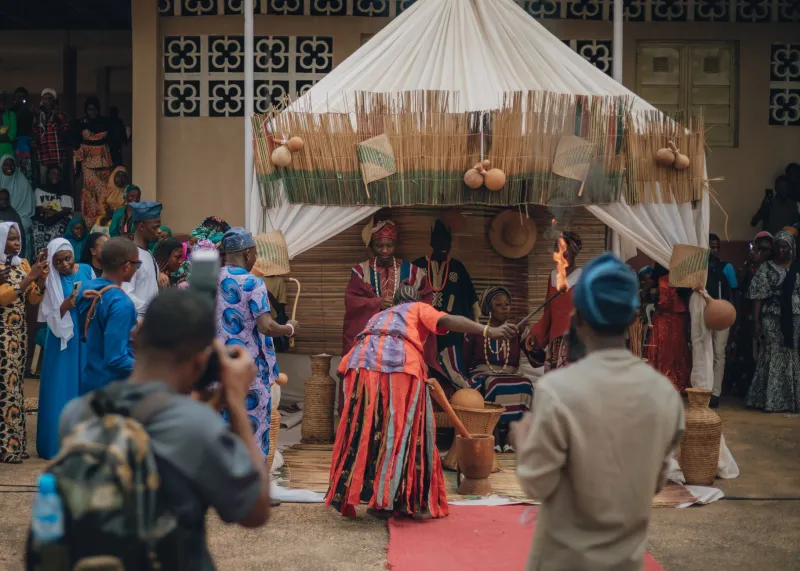
Among the Yoruba people of West Africa, the naming ceremony known as Isọmọlórúkọ — which translates roughly as "the child has been given a name" — typically occurs on the seventh day after birth for girls and the ninth day for boys. The timing is deliberate, rooted in cosmological significance. During the ceremony, the child is introduced to the world through the offering of symbolic substances: honey for sweetness, water for clarity, palm oil for resilience, and bitter kola for the capacity to endure hardship. The name itself is often chosen through divination, consultation with the Ifá oracle, or through the discernment of a babalawo — a trained spiritual practitioner — who interprets the child's spiritual identity and the ancestors who may be speaking through them.
The Akan people of Ghana and Côte d'Ivoire observe a similar ceremony on the eighth day after birth. Known as the outdooring or Din To — the day the child is formally introduced to the outside world — this ceremony involves the family elder whispering the child's name into their ear before it is announced to the assembled community. The name chosen often reflects the day of the week on which the child was born, a practice that connects them immediately to a specific spiritual archetype within Akan cosmology. A child born on Friday, for instance, may carry the name Kofi or Afua, names that are understood to carry particular qualities of character and destiny.
Across both traditions, what is unmistakable is this: the name is not invented. It is received.
The American Experience of Namelessness
In contemporary American culture, naming practices vary enormously. Names are chosen for aesthetic appeal, family tradition, celebrity influence, or cultural pride. Yet for many Americans, the name they carry feels like a surface-level identifier — something that distinguishes them on a form or in a conversation, but that carries no deeper covenant with the past or the future.
This experience of spiritual namelessness is particularly acute among African Americans whose ancestral names were systematically erased during the era of enslavement. The surnames of enslaved people were frequently those of enslavers — a form of identity violence that severed connection to lineage, language, and spiritual inheritance. The wound of that erasure, many scholars and spiritual practitioners argue, has never been fully addressed. A name that carries no ancestral resonance is, in this context, not merely an inconvenience. It is a form of ongoing displacement.
But the longing for a name that means something is not confined to African American communities alone. Across the broader American cultural landscape, there is a growing hunger for practices that restore depth and intentionality to life's most fundamental acts. Naming — the first gift a family gives a child — is increasingly recognized as one of those acts.
Adapting the Tradition, Honoring the Source
For families choosing to draw on African naming traditions, the question of how to engage respectfully with practices that originate in specific cultural and spiritual contexts is one that requires careful consideration. Scholars and cultural practitioners consistently emphasize that engagement with African naming traditions should be approached with humility, research, and, where possible, direct relationship with communities who hold those traditions.
Many families begin by studying the traditions most connected to their own ancestral backgrounds. For those of West African descent, this may mean exploring Yoruba, Akan, Igbo, or Fon naming traditions. For others, the journey begins with a broader inquiry into African cosmological principles — the understanding that names carry spiritual weight, that ancestors speak through the living, and that a child enters the world already embedded in a web of relationship that precedes their birth.
Some families work with cultural elders or African spiritual practitioners who can offer guidance on naming ceremonies that are both authentic and adapted to the American context. Others create their own ceremonies that honor the principles of African naming traditions — the gathering of community, the invocation of ancestors, the offering of prayers — while drawing on the specific cultural materials available to them.
What these families share is a conviction that the ceremony itself matters. That the act of speaking a child's name aloud in the presence of community, of ancestors, and of the sacred transforms the name from a label into a living declaration.
What a Name Can Carry
The implications of this shift in how Americans approach naming extend beyond childhood. Adults, too, are engaging with African naming traditions as a path toward healing and self-reclamation. Some are working with spiritual practitioners to receive names that reflect their spiritual identity or ancestral lineage. Others are adopting African names alongside their legal names — not as performance, but as a form of daily spiritual practice, a reminder of who they are beneath the surface of their social identity.
In Yoruba tradition, the concept of orúkọ amútorunwá refers to a name that the child brings from heaven — a name that exists before birth and is the task of the family and community to discover. This understanding suggests that naming is not an act of creation but of recognition. The name was always there. The ceremony is the means by which it is uncovered.
For Americans navigating a culture that often reduces identity to achievement, appearance, or affiliation, this idea carries a quiet but radical power. It suggests that who you are is not something you construct or earn. It is something you carry — something that has been carried for you, through generations, waiting to be acknowledged.
The Ceremony as Community
Perhaps the most countercultural aspect of African naming traditions, from an American perspective, is the insistence that naming is not a private act. It is a communal one. The child is not named by parents alone, but welcomed into a network of relationships — with the living, with the ancestors, with the spiritual forces that govern existence.
In a society where individualism is often treated as the highest value, this communal dimension of African naming traditions offers something genuinely disruptive: the suggestion that identity is not self-made, but collectively held. That to know your name is to know your people. And to carry your name with intention is to honor everyone who carried it before you.
As more American families discover this dimension of naming — its ceremonial depth, its ancestral weight, its communal reach — they are finding not merely a new practice, but an older understanding of what it means to belong to something larger than oneself. In that belonging, many are discovering, the search for identity begins not with the self, but with the name that was waiting long before the self arrived.