Pouring with Purpose: How the African Tradition of Libation Is Finding a Home in American Spiritual Life
Across kitchens, courtyards, and candlelit apartments throughout the United States, a quiet ritual is being reclaimed. The ancient African practice of libation—the deliberate, ceremonial pouring of liquid as an offering to ancestors and spiritual forces—is drawing new generations of American practitioners into a deeper relationship with their heritage and their sense of the sacred. What was once conducted beneath open skies on the African continent is now being honored in Brooklyn brownstones, Atlanta living rooms, and Chicago community centers, adapted with care and reverence for a new era.
A Ritual Written in Water, Wine, and Earth
Libation is among the oldest documented forms of human spiritual expression. Across the vast and culturally diverse landscape of Africa, the practice has taken root in dozens of distinct traditions—from the Akan people of Ghana, who pour schnapps and water while invoking the names of the departed, to the Yoruba of Nigeria, where palm wine and cool water are offered to Orisha and ancestors alike. Among the Zulu and Xhosa of southern Africa, fermented sorghum beer carries prayers into the earth. In each tradition, the underlying principle remains consistent: the physical act of pouring bridges the visible world and the realm of spirit.
The liquid itself is not merely symbolic. It is understood as a living medium, a vehicle through which intention travels. Water, wine, milk, palm oil, and grain-based beverages each carry specific spiritual weight depending on the occasion, the ancestor being honored, or the force being invoked. The choice of what to pour is never incidental—it is a form of language spoken without words.
The Middle Passage Did Not Silence the Pour
When enslaved Africans were brought to the Americas, they carried this knowledge within them. Though stripped of material culture, they preserved ritual memory. Scholars of African diaspora spirituality, including Dr. Marimba Ani and others who have written extensively on African cultural continuity, have noted that libation survived the Middle Passage in fragmented but persistent forms—embedded in Hoodoo practice, in the water rituals of Black church traditions, and in the ceremonial life of communities throughout the Caribbean and South America.
In the United States, the formal reclamation of libation as a named and intentional African spiritual practice gained visibility during the Black Power and Black Arts movements of the 1960s and 1970s. Organizations such as Kawaida, founded by Maulana Karenga, incorporated libation into Kwanzaa ceremonies, bringing the practice into millions of American homes each December. That introduction planted seeds that are still flowering today.
Modern Practitioners, Ancient Intention
Contemporary American practitioners of African-rooted spirituality describe libation not as performance but as presence. The ritual demands stillness. It requires the practitioner to speak the names of those who have passed, to acknowledge the lineage from which they descend, and to physically participate in the act of offering. In a culture saturated with passive consumption and digital distraction, this embodied, intentional practice offers something increasingly rare: a moment of genuine spiritual accountability.
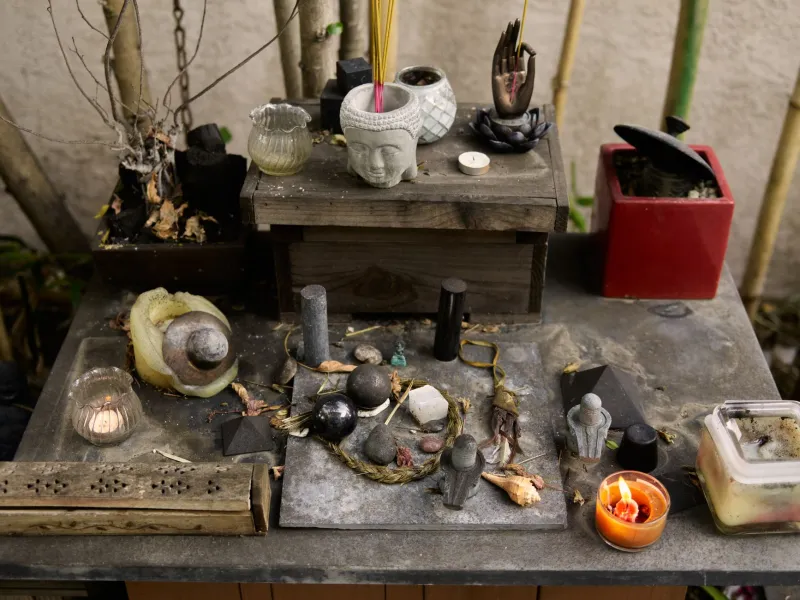
Many practitioners in urban settings have adapted the ritual thoughtfully to fit the realities of apartment living and modern schedules. A small clay bowl placed near a window, a glass of water set beside a photograph of a grandparent, or a brief morning invocation before pouring the first cup of coffee—these are the contemporary forms libation is taking. The adaptation is not dilution. Practitioners are careful to emphasize that the spirit of the ritual, the orientation toward ancestry and gratitude, remains intact even when the vessel is a mason jar and the liquid is filtered tap water.
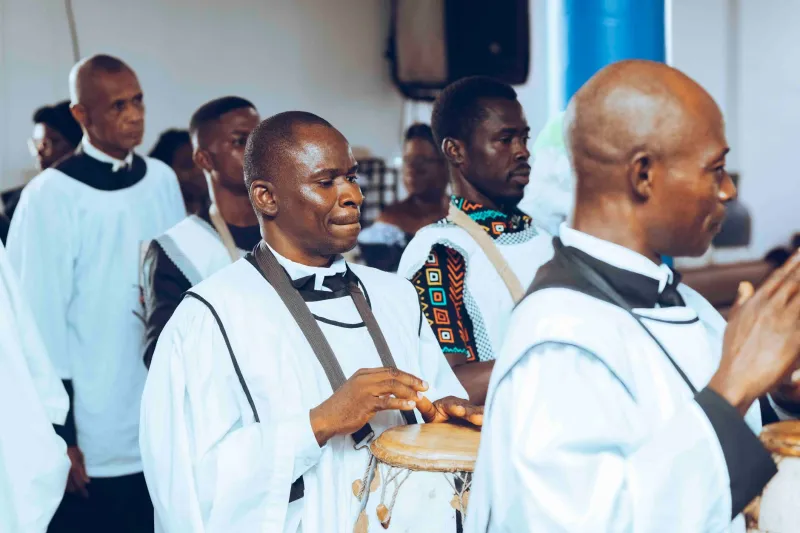
Community gatherings have also become important spaces for collective libation. Rites of passage ceremonies, community healing circles, and cultural festivals across major American cities now regularly open with a formal libation call, in which a designated elder or leader pours while naming ancestors and calling upon protective forces. Attendees respond with affirmations, creating a shared moment of spiritual grounding before any other work begins.
The Workplace and the Pour
Perhaps the most unexpected frontier for libation practice is the professional space. A growing number of practitioners have begun incorporating quiet, private forms of the ritual into their workdays—a small offering of water made at a desk before beginning an important project, or a brief internal invocation while handling a challenge. These micro-rituals, invisible to colleagues, serve as anchors. They are a way of carrying ancestral support into spaces that have historically excluded African spiritual expression.
Some Black-owned businesses have gone further, incorporating libation into their opening ceremonies, staff meetings, and milestone celebrations. The message is clear: the ancestors are not left at the door. They are invited into every endeavor.
Honoring Authenticity in Adaptation
The expansion of libation practice into mainstream American spiritual culture has not been without complexity. As interest in African spirituality grows beyond African American communities, questions of cultural integrity arise. Practitioners and scholars alike emphasize the importance of approaching libation with genuine study and respect rather than aesthetic appropriation. The ritual carries history. It carries grief. It carries the weight of millions of unnamed ancestors. That context cannot be stripped away without diminishing the practice itself.
For those drawn to libation as a spiritual discipline, elders and community teachers consistently recommend beginning with learning—reading the works of African scholars, sitting with community practitioners, and understanding the specific tradition from which one is drawing. The pour, they say, means more when you know what you are pouring toward.
A Drop That Carries Everything
There is something quietly radical about stopping in the middle of an ordinary American day to pour a small amount of liquid onto the earth or into a bowl, to speak the names of the dead, and to ask for their guidance. It is an act that refuses the erasure of history. It insists that those who came before are not gone—that they remain active participants in the lives of the living.
In that insistence, the ancient African tradition of libation offers something the modern American moment is hungry for: continuity, connection, and the profound comfort of knowing that one does not stand alone.