Breath as Medicine: How African Ceremonial Breathing Traditions Are Transforming Trauma Healing Across America
In wellness centers from Atlanta to Oakland, a quiet revolution is unfolding—one measured not in heartbeats, but in the deliberate rhythm of breath drawn consciously from a lineage far older than any modern self-help movement. African ceremonial breathing traditions, long practiced in the context of spiritual initiation, ancestral communion, and community healing, are emerging as a powerful counternarrative to the Eastern-dominated meditation landscape that has defined American mindfulness culture for decades.
This is not merely a trend. For many African Americans and spiritually curious practitioners across the United States, these traditions represent a homecoming—a reclamation of healing wisdom that was severed during the transatlantic slave trade and is now being painstakingly restored.
The Breath Has Always Been Sacred in African Tradition
Across the African continent, breath occupies a position of profound theological and cosmological significance. In many Bantu-speaking cultures, the concept of moya—a word meaning both breath and spirit—encapsulates the understanding that respiration is not merely a biological function but a living conduit between the human and the divine. Among the Zulu people of southern Africa, ceremonial healers known as izinyanga and izangoma employ controlled breathing sequences during initiation rites and healing ceremonies, using breath to open channels of ancestral communication and to shift the energetic state of both healer and patient.
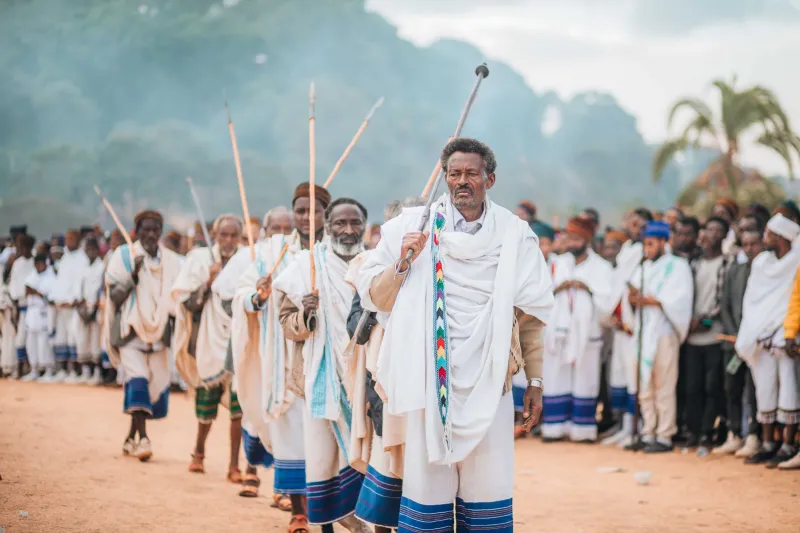
Further north, the Ethiopian Orthodox Christian tradition—one of the oldest continuous Christian traditions in the world, rooted in African soil for nearly two millennia—has preserved meditative breathing disciplines within its monastic communities that bear striking resemblance to contemplative practices found across global mystical traditions. Monks practicing qum zema, the sacred chant tradition of the Ethiopian church, develop extraordinary breath control as a devotional discipline, one that practitioners describe as a form of embodied prayer that quiets the mind and opens the soul.
In West Africa, Yoruba ceremonial life integrates breath as a central mechanism in orisha worship. The precise vocalization of sacred names, the rhythmic chanting during bembe ceremonies, and the controlled exhalations that accompany possession rituals all reflect a sophisticated understanding of how breath modulates consciousness and invites spiritual presence.
What Science Is Beginning to Confirm
Contemporary neuroscience and trauma research are arriving—somewhat belatedly—at conclusions that African spiritual traditions encoded long ago. The vagus nerve, which governs the parasympathetic nervous system and plays a central role in regulating the body's stress response, is directly influenced by patterns of breathing. Slow, intentional exhalation activates the vagal brake, reducing cortisol levels and shifting the nervous system out of the fight-or-flight state that characterizes unresolved trauma.
Dr. Bessel van der Kolk, whose landmark research on trauma and the body has shaped contemporary clinical practice, has noted that breath-based interventions represent some of the most direct and accessible routes to nervous system regulation. What he and other Western researchers are documenting, African healers have practiced ceremonially for generations.
The growing field of culturally responsive trauma therapy is beginning to take notice. Practitioners working primarily with African American communities—populations that carry both the inherited trauma of historical oppression and the ongoing stress of systemic inequality—are finding that African-rooted breathwork offers something that conventional mindfulness programs frequently cannot: a sense of cultural recognition and ancestral continuity that is itself therapeutic.
African Breathwork in American Practice
Across the United States, a network of healers, therapists, and spiritual practitioners is actively working to bring African breathing traditions into accessible therapeutic contexts. In cities with large African diaspora communities—Houston, Chicago, Washington D.C., and New York—community wellness spaces are beginning to offer sessions explicitly framed around African ancestral breath traditions rather than the South Asian pranayama frameworks that dominate most breathwork offerings.
Some practitioners draw directly from specific lineages. Initiated izangoma living in the United States have begun offering ceremonial breath sessions that incorporate the full spiritual context of Zulu healing tradition, including the invocation of ancestral guidance and the use of sacred sound. Others take a more integrative approach, weaving African cosmological frameworks around breath into secular therapeutic settings, making these traditions accessible to individuals who may not identify with any particular spiritual practice but who are drawn to the cultural resonance of African healing wisdom.
What distinguishes African ceremonial breathwork from its more widely known Eastern counterparts is not simply geographic origin but philosophical orientation. Where many South Asian pranayama traditions emphasize individual transcendence—the dissolution of the self into universal consciousness—African breath traditions are frequently communal and relational in character. Breath is shared, witnessed, and held within the container of community. Healing is understood as something that happens between people and across generations, not solely within the isolated interior of a single practitioner.
Reclaiming What Was Taken
For many African Americans engaging with these traditions, the experience carries a dimension that transcends personal wellness. The deliberate act of breathing in alignment with ancestral practice is, for some, an act of resistance and restoration—a refusal to accept the erasure of African spiritual intelligence that colonial history attempted to complete.
This dimension of reclamation is not incidental to the healing; it is central to it. Trauma therapists working within African-centered frameworks speak of ancestral trauma—the psychic and somatic inheritance of historical suffering—as something that requires culturally specific tools to address. Breathing in the manner of one's ancestors, even symbolically, activates a sense of continuity and belonging that can soften the fragmentation that trauma produces.
Community healing circles in cities like Baltimore and Detroit have begun incorporating libation, ancestral invocation, and ceremonial breath sequences into group trauma processing sessions, creating containers that honor both the spiritual and the psychological dimensions of healing. Participants consistently describe these sessions as qualitatively different from conventional therapeutic experiences—more grounded, more witnessed, and more whole.
An Alternative Lineage for the American Wellness Seeker
The dominance of Eastern spiritual frameworks in American wellness culture has never been absolute, but it has been persistent. Yoga, Vipassana meditation, and Tibetan Buddhist mindfulness practices have become so thoroughly embedded in the mainstream wellness landscape that many Americans assume these traditions represent the only sophisticated map of inner experience available.
African spiritual traditions offer a different map—one drawn from a continent of extraordinary diversity, refined over millennia of lived experience, and now increasingly available to those willing to seek it out. The breath, as understood through African ceremonial wisdom, is not merely a tool for personal optimization. It is a thread connecting the living to the ancestors, the individual to the community, and the body to the sacred.
As American culture continues its complicated and necessary reckoning with history, identity, and healing, the ancient breathing traditions of Africa offer something rare: a medicine rooted in truth, offered freely by those who have carried it through centuries of difficulty, and available now to anyone willing to breathe deeply enough to receive it.